


jljl2 | The Evolution and Appeal of Role-Playing Games: A Journey Through Imagination
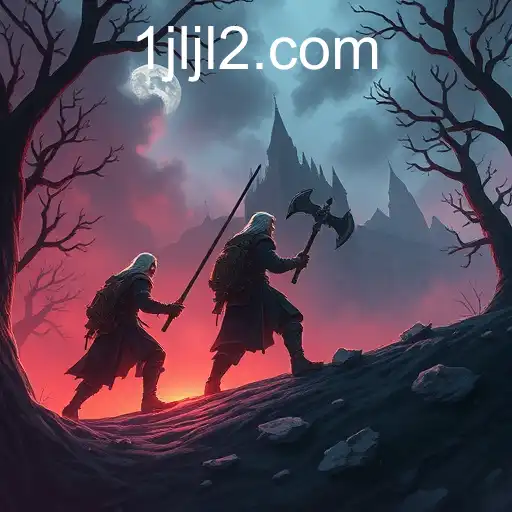
Role-playing games (RPGs) have captivated players around the world with their immersive storytelling, complex character development, and expansive worlds. Characterized by creativity and imagination, RPGs allow players to step into the shoes of a hero, a villain, or even a deity in a universe sculpted by detailed lore and narratives. The keyword ‘jljl2’, though not inherently recognizable, could be a playful nod to the vast, undiscovered niches within the genre or an inside reference within a community centered around role-playing games.
The roots of role-playing games trace back to the traditional tabletop games like 'Dungeons and Dragons', which first merged storytelling with strategy. As technology advanced, RPGs found a formidable platform in video games. From early titles like 'The Legend of Zelda' and 'Final Fantasy', RPGs have evolved dramatically, now encompassing sub-genres such as action RPGs, MMORPGs, and tactical RPGs. Each type offers a distinct experience, from solo journeys in single-player RPGs to collaborative or competitive immersive experiences in online multiplayer environments.
A key allure of RPGs is the freedom they offer. Players can mold their characters with specific traits, abilities, and skills, creating their narratives and often influencing story outcomes. This interactive form of storytelling has been a critical factor in RPGs' global popularity, enabling players to experience a sense of agency, adventure, and escapism. Popular titles such as 'The Witcher 3', 'Final Fantasy VII', and 'Skyrim' showcase deep, engaging storylines coupled with expansive open worlds, representing the apex of what RPGs can offer.
Role-playing games also have significantly influenced popular culture, inspiring films, literature, and even board games over the years. Their narratives often involve complex moral decisions and philosophy, themes that resonate with a broad audience. Furthermore, RPGs have fostered vibrant communities where players share strategies, create mods, or engage in fan fiction, furthering their depth and reach.
In a world where interactive digital entertainment continues to grow, RPGs have firmly cemented themselves as a beloved genre. Whether the keyword ‘jljl2’ is part of an inside joke or a new term arising in the player communities, its association with role-playing games reflects the playful, imaginative spirit that defines the genre. As technology pushes boundaries with virtual and augmented reality, the future of RPGs promises even more innovative, immersive experiences for storytellers and dreamers worldwide.
